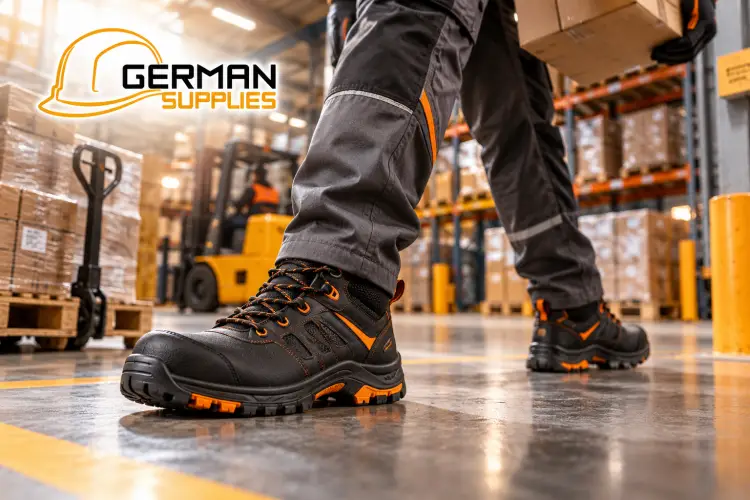
men safety shoes | work shoes for safety comfort and support
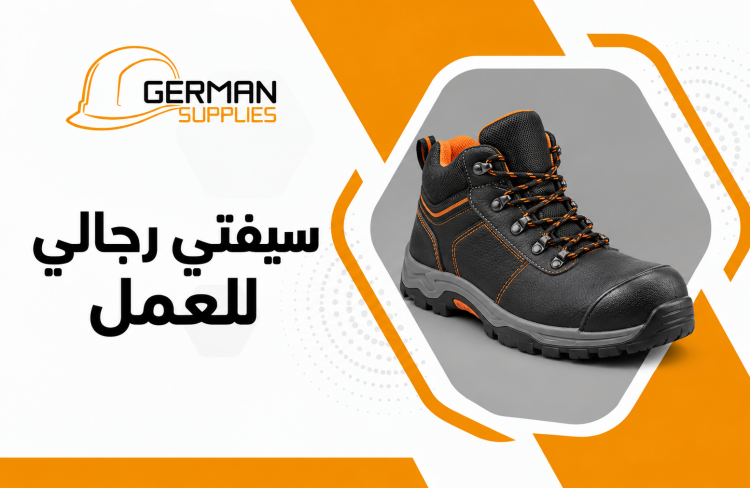
Safety equipment and personal protective footwear represent an indispensable cornerstone for maintaining operational safety, employee well-being, and workplace efficiency across modern construction sites, industrial plants, and manufacturing facilities. Long shifts, harsh working conditions, and physical exertion place immense demand on a worker's body—starting directly with their feet. Foot fatigue and improper support reduce daily productivity, increase absenteeism, and heighten the risk of severe occupational injuries.
Selecting the ideal pair of men safety shoes goes far beyond fulfilling basic compliance audits; it is a strategic investment in workforce sustainability and risk mitigation. High-quality men safety shoes minimize workplace hazards, offering certified protection against heavy object impacts, sharp underfoot punctures, high-voltage electrical exposures, chemical spills, and high-risk slips on site.
With an expanding variety of safety shoe designs, protective toe materials, sole compositions, and global safety certifications in the Egyptian market, identifying the right balance of protection, comfort, and cost efficiency is essential. This comprehensive guide provides an in-depth breakdown of technical footwear specifications, international standards, industry recommendations, and procurement strategies to help project managers and purchasing specialists source certified footwear through German Supplies.
Understanding the Core Architecture of Modern Safety Footwear
To evaluate protective footwear effectively, procurement teams and site engineers must understand the underlying engineering components that make up a certified safety shoe. Modern men safety shoes are carefully engineered assemblies designed to insulate the foot from environmental and mechanical hazards without compromising mobility or ergonomic comfort.
- The Upper Material: The outer shell is usually crafted from full-grain leather, nubuck, heavy-duty split leather, or advanced synthetic microfibers. Premium leather provides high resistance to abrasion, natural breathability, and physical durability, making it the material of choice for heavy construction. Synthetic uppers offer lighter weights, enhanced flexibility, and rapid-drying capabilities suited for indoor logistics.
- Protective Toe Caps (Impact Resistance): Located at the front of the shoe, the toe cap shields the toes against falling objects and compression forces. Certified caps are tested to withstand an impact energy of at least 200 Joules (equivalent to a 20 kg weight dropped from a height of one meter) and a compression force of 15 kilonewtons.
- Insoles and Ergonomic Footbeds: High-grade insoles feature memory foam, dual-density polyurethane (PU), or EVA padding that distributes body weight evenly, absorbs heel strikes, supports the arch, and minimizes joint impact across ankles and knees.
- Puncture-Resistant Midsoles: Inserted between the insole and outsole, the midsole acts as a defensive shield against underfoot threats like rusty nails, sharp rebar, and glass fragments common on construction sites.
- The Outsole (Tread and Traction): Outsoles are typically engineered from Dual Density PU/PU, Rubber, or TPU. They provide oil resistance, chemical defense, and anti-slip traction on wet, greasy, or uneven surfaces.
For more information about safety equipment, you can read best place to buy worker vest
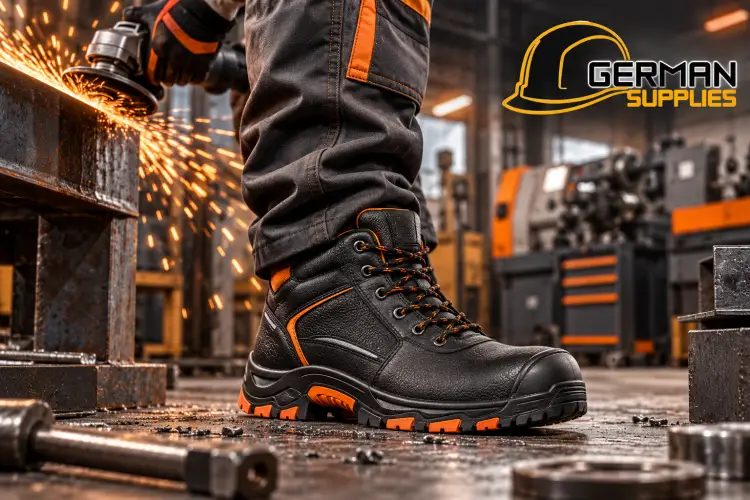
Comparative Analysis: Protective Toe Cap Technologies
One of the most vital decisions when selecting men safety shoes centers on the material used for the protective toe cap. Each material offers distinct advantages depending on job-site conditions and mobility demands.
|
Feature / Property |
Steel Toe Cap |
Composite Toe Cap |
Aluminum Toe Cap |
|
Material Composition |
Hardened Carbon Steel |
Carbon Fiber, Kevlar, or Fiberglass |
High-Strength Aircraft Aluminum |
|
Weight Profile |
Heavy / Traditional |
Ultra-Lightweight |
Medium / Lightweight |
|
Thermal Insulation |
Conducts heat & cold |
Non-conductive (Insulated) |
Conducts heat & cold |
|
Electrical Hazards |
Conductive |
100% Non-conductive |
Conductive |
|
Best Suited For |
Heavy construction |
High mobility, electronics |
Light manufacturing |
How to Select Safety Footwear Tailored to Specific Professions
Because no single pair of safety shoes can accommodate every industrial setting, hazard matching is crucial. Selecting footwear based purely on visual appearance or price often leads to early shoe failure or discomfort.
1. Field Engineers, Surveyors, and Site Supervisors
Engineers require versatile, professional, and lightweight footwear that guarantees certified safety without adding physical strain during miles of walking.
Recommended Choice: Athletic-style safety sneakers or low-cut leather executive safety shoes equipped with lightweight composite toe caps and flexible anti-perforation midsoles.
2. Heavy Construction, Infrastructure, and Contracting Crews
Construction sites present extreme mechanical risks, including falling concrete blocks, exposed rebar, scattered nails, and mud.
Recommended Choice: High-cut heavy-duty safety boots built with water-resistant full-grain leather, reinforced steel toe caps, steel puncture-resistant midsoles, and aggressive cleated outsoles.
3. Factory Technicians and Industrial Operators
Industrial manufacturing plants feature smooth concrete floors exposed to machine oils and lubricants where workers remain standing for long shifts.
Recommended Choice: Mid-cut or low-cut dual-density PU men safety shoes featuring certified SRC slip resistance, oil-resistant outsoles, and deep shock-absorbing heel chambers to prevent fatigue.
Learn more useful tips and details by visiting men overalls
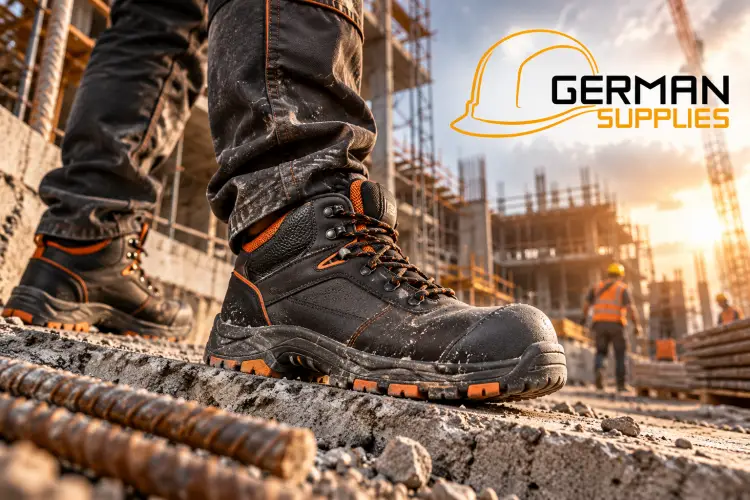
Decoding International ISO 20345 Safety Ratings (S1 through S3)
The international standard EN ISO 20345 classifies personal protective footwear into strict technical categories. Understanding these codes helps purchasing managers verify that their men safety shoes comply with site safety mandates.
- S1 Category: Features a certified 200 Joules protective toe cap, a closed heel area, energy absorption in the heel, antistatic properties, and resistance to fuel oil. Ideal for dry, indoor industrial environments.
- S1P Category: Combines all S1 standards with an added anti-penetration midsole (steel or Kevlar) capable of withstanding sharp underfoot hazards like nails.
- S2 Category: Incorporates all S1 standards while adding a water-resistant upper preventing water absorption for damp or outdoor conditions.
- S3 Category: The comprehensive standard for heavy industry. Combines S2 water-resistance with S1P anti-perforation midsoles and cleated outsoles for maximum traction on rough terrain.
Top Global and Regional Safety Footwear Brands Available at German Supplies
German Supplies maintains a diverse inventory designed to serve enterprise clients across Egypt, balancing top-tier global brands with economic commercial options.
Global Premium Brands: Heavy-Duty Performance
- CAT (Caterpillar): Renowned globally for rugged durability. CAT safety shoes offer advanced ERGO comfort systems and extreme durability for mining, oilfield, and heavy construction environments. Procurement teams looking for authentic Safety shoes CAT Egypt inventory can rely on German Supplies for certified original models.
- Red Wing & Pezzol: Premium engineered safety footwear designed for extreme oil, gas, and industrial environments, featuring world-class full-grain leathers and ergonomic designs suitable for engineering teams.
Commercial & Enterprise Workforce Brands
- Panda Safety: Extremely popular across industrial sectors, Safety shoes panda lines provide exceptional durability, high-vis safety elements, and certified S1P/S3 compliance at balanced price points.
- Activ & Force: Ideal commercial lines for equipping large workforces, offering lightweight designs, solid PU slip-resistant soles, and reliable steel toe protection suited for logistics, warehousing, and contracting work.
Market Pricing Overview for Safety Footwear in Egypt (2026 Projections)
Pricing structures reflect material quality, protective ratings, and brand certifications. For enterprise procurement departments planning 2026 budgets, typical market benchmarks for men safety shoes include:
- Commercial & Workforce Shoes (Activ / Force / Panda): EGP 850 – EGP 1,800 per pair. (Cost-effective solution for high-volume worker deployments).
- Waterproof & Anti-Perforation S3 Industrial Shoes: EGP 2,200 – EGP 3,800 per pair. (Includes specialized Waterproof men safety shoes designed for heavy contracting and muddy outdoor sites).
- Premium Global Brands (CAT / Red Wing / Pezzol): EGP 4,500 – EGP 8,500+ per pair. (Engineered for extreme hazards and executive field engineers).
You can also explore safety shoes egypt for more information about choosing the right safety and protective equipment.
Why German Supplies is the Preferred B2B Partner for Industrial Gear
Partnering with German Supplies streamlines your organization's industrial procurement process while guaranteeing product authenticity and compliance across all job sites in Egypt:
- Guaranteed Product Certification: Every footwear line supplied carries fully traceable international safety certifications conforming to EN ISO 20345 standards.
- Massive Warehouse Buffer Stocks: High inventory availability prevents project downtime, enabling rapid fulfillment of bulk Men safety shoes sale contracts and emergency size replacements.
- Dedicated Technical Advisory: Safety specialists assist corporate purchasing officers in aligning site risk assessments with required safety tiers.
Accessing verified Safety Shoes in Egypt through a trusted supply partner ensures your workforce remains fully protected, physically comfortable, and completely compliant with local and international occupational safety regulations.
Frequently Asked Questions (FAQ)
What is the functional difference between safety sneakers and traditional safety boots?
Safety sneakers feature lightweight materials, low-cut profiles, and flexible soles designed for active supervisors who walk extended distances. Traditional safety boots provide rigid ankle support, higher water resistance, and rugged outsoles designed to protect workers against twisted ankles and heavy debris on rough terrain.
Are steel toe shoes heavier than composite toe shoes?
Yes, traditional steel toe caps are heavier than composite options made from carbon fiber or fiberglass. However, modern steel-toe designs use advanced PU soles and ergonomic footbeds to distribute weight evenly for full-shift wear.
What is the significance of the SRC slip resistance rating?
Footwear rated SRC has successfully passed both SRA tests (ceramic tile with soap solution) and SRB tests (smooth steel with glycerol/oil), representing the highest level of certified anti-slip performance available for industrial footwear.
By equipping your workforce with certified men safety shoes from German Supplies, you ensure uncompromised workplace protection, optimal ergonomic support, and maximum operational efficiency across every project environment.
Recent Posts