Safety Jacket: Best Types, Uses and Buying Guide for Workers
Occupational safety is the first line of defense to protect workers across various work environments, as appropriate safety equipment and gear play an essential role in reducing daily risks and accidents. Hence comes the importance of choosing a high-quality safety jacket that provides a high level of visibility and protection for workers in construction sites and industrial projects.
Safety garments are not limited to being work-specific clothing; they represent an important protection tool that helps enhance worker visibility and reduce the likelihood of accidents, especially in workplaces crowded with heavy machinery or requiring work in low-light conditions.
With the varying nature of work sites and multiple safety requirements and standards, choosing a vest that combines durability, comfort, and clear visibility becomes essential. This is what German Supplies provides through a range of occupational safety solutions and supplies designed to meet the needs of various work sectors.
What Is a Safety Jacket and What Is Its Importance in Workplaces?
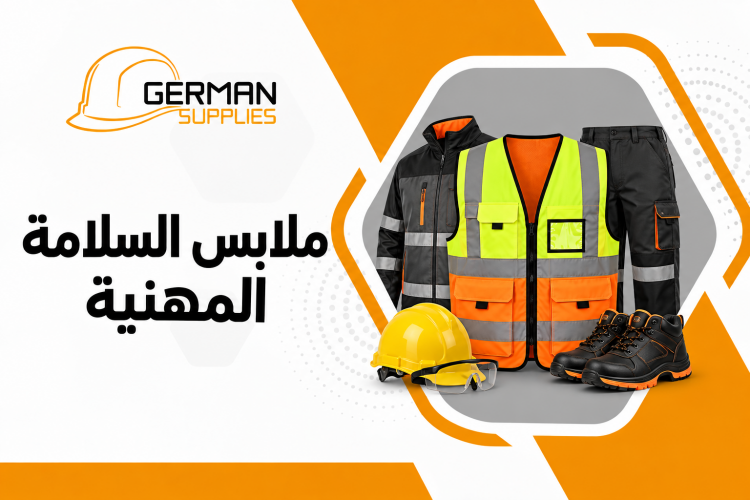
A safety jacket is a piece of occupational protection clothing designed to enhance worker visibility inside workplaces, especially in environments with high potential exposure to risks such as construction sites, roads, and factories. It is usually made of lightweight or insulated materials suitable for various working conditions, relying on high-visibility colors and reflective strips that help easily distinguish the worker from long distances.
Protective workwear represents an important element among personal protective equipment, and its most prominent benefits are:
- Reducing collision and run-over risks: Helps draw the attention of truck and heavy machinery drivers to the presence of workers, especially in crowded sites.
- Ease of identifying workers: Allows supervisors and safety teams to quickly locate workers, facilitating the organization of personnel movement within the site.
- Protection from weather conditions: Models designed for work in cold or rainy weather are available, providing extra protection for workers in outdoor locations.
- Supporting occupational safety requirements: Wearing high-visibility clothing, when chosen and used according to site requirements, helps comply with applied occupational safety procedures and standards.
For more information, check out safety helmet price to learn more about industrial safety equipment and the right solutions for your needs.
Types of Protective Outerwear and Their Uses
Types of high-visibility gear differ in terms of materials, design, and degree of protection to suit the nature of each work environment, ranging from construction sites and field work to industrial facilities and sectors requiring advanced protection levels.
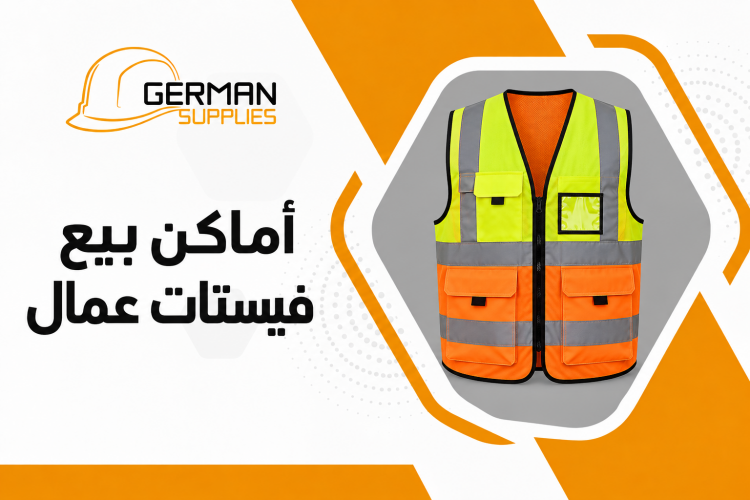
1. Engineer Safety Jacket with Multiple Pockets
This type is designed to suit the nature of work of engineers and field supervisors who need constant mobility and to keep basic tools and supplies during work. Whether you are looking for a functional men safety jacket or a comfortable women safety jacket, it features multiple pockets of various sizes to carry mobile phones, smart devices, pens, and documents, in addition to an ID card holder. It is usually made of lightweight and breathable fabrics, combining comfort during working hours and a professional look. It is commonly used in construction sites, engineering supervision, field project management, and surveying work.
2. Winter and Waterproof Safety Jacket
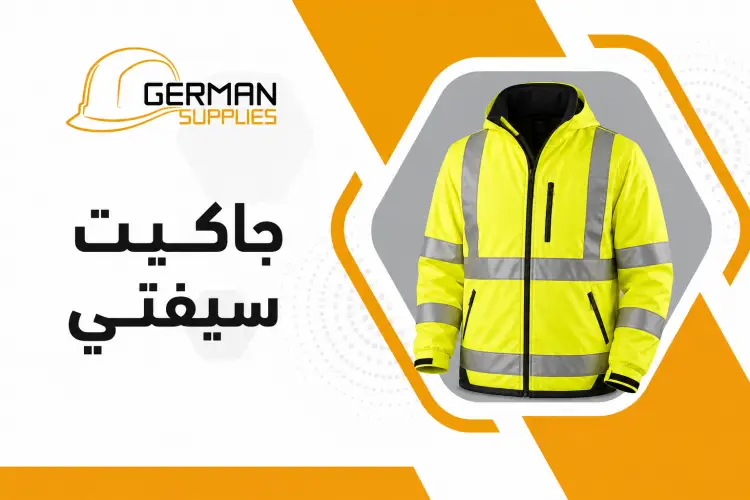
This type suits workers in outdoor locations exposed to low temperatures, rain, and wind, as it combines protection from weather elements with high visibility. This heavy-duty safety jacket comes with a thermal lining design, such as fleece or insulating fibers, with an outer layer that helps resist water and wind. Reflective strips suitable for wet conditions are also used with it to maintain visibility levels in rainy weather. It is suitable for infrastructure projects, outdoor work, coastal areas, and night patrols during the winter season.
3. Road and Traffic Worker Safety Vests
Road and traffic safety vests feature high levels of visibility and reflectivity to provide better visibility for workers near traffic and equipment movement. High-visibility apparel relies on extreme colors such as fluorescent yellow and orange, along with reflective strips placed around the chest, back, and shoulders, helping to highlight the worker's shape from multiple directions. These vests are used in road maintenance, traffic regulation, logistics operations, emergency teams, and maintenance on highways. The appropriate visibility category, such as Class 2 or Class 3, must be selected according to the nature of the task and safety requirements approved in the work site.
4. Flame-Resistant Protective Gear
Fire-resistant safety gear is used in sectors requiring extra protection from flames, heat, and sparks, such as oil and gas, chemical plants, welding work, and heavy industries. They are made from flame-resistant or treated materials to reduce flammability, and some applications may include specialized fabrics such as Nomex or flame-resistant (FR) cotton, depending on the required protection level. They can also be equipped with reflective strips designed for use in high-temperature environments, ensuring the protective garment fully complies with the appropriate standard and nature of hazards present in the work site.
You can also explore motorcycle safety for useful information and practical tips about choosing the right industrial safety equipment.
4 Technical Criteria to Inspect Before Purchasing a Safety Jacket
Before purchasing protective workwear, it is important to evaluate a set of technical criteria to ensure its suitability to the nature of work and the level of hazards present in the site. Selection is not limited to color or design, but includes visibility degree, material quality, durability, and additional protective characteristics.
1. Visibility Classification and International Standards (ANSI/ISEA and ISO)
Standards like ANSI/ISO 107 and ISO 20471 define high-visibility clothing requirements, helping choose the appropriate visibility level for the work environment:
- Class 1: Suitable for low-risk tasks and environments, especially when vehicle speed is slow and surrounding visibility is good.
- Class 2: Suitable for standard construction sites, roads, and environments requiring a higher level of worker visibility.
- Class 3: Provides the highest visibility levels, used in tasks requiring greater visibility, such as night work, near highways, or in difficult visibility conditions.
Classification must be chosen based on task requirements, site conditions, and the standard approved by the employer, rather than relying on classification alone.
2. Reflective Material Quality
Reflective strips represent an essential element in high-visibility apparel design, especially when working at night or in low light. It is preferred to ensure the use of materials working with retroreflective technology, which helps return light coming from lamps back toward its source, enhancing worker visibility. Care and washing instructions for the garment must also be reviewed to ensure the strips maintain their reflective properties after allowed wash cycles. Distribution of strips on the torso, shoulders, and required parts according to the used standard is also observed to ensure worker visibility from multiple directions.
3. Fabric Material and Durability
Garment fabric plays an important role in worker comfort and ability to use it for long periods; therefore, fabric must be chosen according to work and climate conditions. In hot environments, mesh materials can be relied upon to improve ventilation and reduce heat feeling. In cold and rainy weather, designs with thermal lining or water- and wind-resistant layers are suitable. It is also important to ensure fabric resistance to wear and tear, especially in construction sites, factories, and environments requiring constant movement, choosing durable materials like reinforced polyester according to the nature of use.
4. Functional Characteristics and Additional Protection Means
To choose practical workwear, details matching the nature of the task must be considered, not just the visibility level. In works involving exposure to flames or sparks, such as oil and gas and welding, flame-resistant (FR) clothing matching specifications appropriate to site hazards must be used. Practically, it is useful to choose a design containing strong zippers, dedicated pockets for communication devices, cards, and basic tools. In height work, clothing design compatibility with other protective equipment must be ensured, and no opening or design in the garment should be assumed automatically as an approved access point for safety harnesses.
Choosing the appropriate high-visibility gear depends on the nature of work, hazard level, weather conditions, and safety regulations applied in the site, to ensure obtaining the required protection, visibility, and comfort.
To learn more about this topic, read industrial safety requirements and discover important insights into industrial safety equipment and workplace protection.
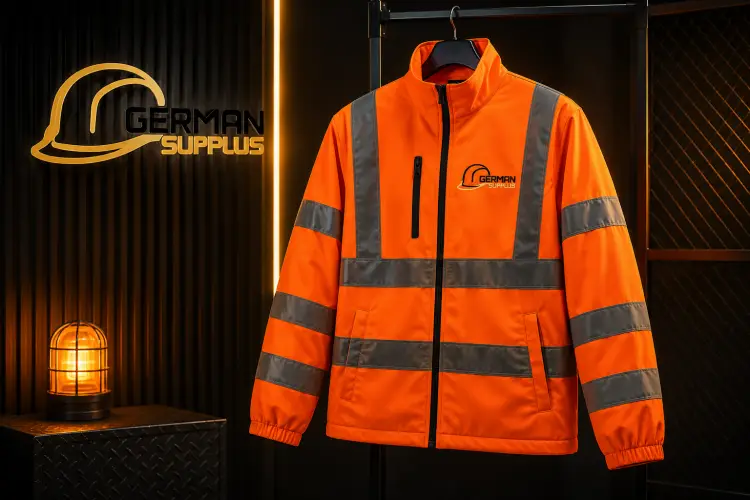
Tips for Maintaining the Reflective Safety Vest
The efficiency of protective clothing depends on correct care, especially high-visibility fabrics and reflective strips, as wrong washing or storage may lead to faded colors and weak reflection.
Washing Instructions
- Review the Wash Label: To know the appropriate temperature and washing method.
- Prepare the Garment: Close zippers, buttons, and Velcro, and turn the garment inside out before washing to protect reflective strips.
- Use a Mild Detergent: Wash with cold or lukewarm water and a gentle wash cycle, avoiding bleach, chemicals, and fabric softeners.
- Drying: Preferably air-dried away from direct sunlight, adhering to company instructions when using a dryer.
Tips to Extend Garment Life
- Clean minor stains immediately instead of repeating a full wash.
- Avoid ironing reflective strips directly.
- Store the gear in a dry, well-ventilated place away from the sun.
- Periodically inspect colors and reflective strips and replace the garment when damage or clear reduction in visibility level appears.
Get a high-quality safety jacket designed to provide visibility, comfort, and protection in various work environments. German Supplies provides diverse solutions suitable for engineers, workers, construction sites, roads, and industrial sectors.
Discover more about this subject through men overalls and learn about important industrial safety products and guidelines.
Best Prices for Protective Workwear in the Market
Prices for high-visibility protective wear vary according to quality level, material type, degree of protection, and standards the product complies with like ANSI and ISO. Determining the appropriate category helps companies and procurement officers achieve a balance between cost and safety requirements.
|
Category |
Type |
Key Features |
Application |
|
Economic |
Light safety vests |
Mesh fabric and basic reflective strips |
Warehouses, light work, and visitors |
|
Medium |
Engineer jackets |
Durable materials, multiple pockets, and reflective strips |
Engineers, supervisors, and road sites |
|
Advanced |
Winter and waterproof jackets |
Thermal lining and protection from rain and winter |
Outdoor work and harsh weather |
|
Specialized |
Flame-resistant jackets |
Flame- and spark-resistant materials |
Petroleum, gas, welding, and heavy industries |
For complete protection in the work environment, German Supplies provides a range of safety and personal protection equipment, starting from safety jackets and vests to protective shoes, head protection helmets, and specialized work gloves.
Whether you are looking for a reliable safety jacket egypt supplier, a durable safety jacket motorcycle egypt model, a suitable women safety jacket, or a high-quality men safety jacket, German Supplies offers a safety jacket solution designed to fulfill all technical requirements.
Recent Posts