Safety Work Clothes for Safe and Comfortable Industrial Work
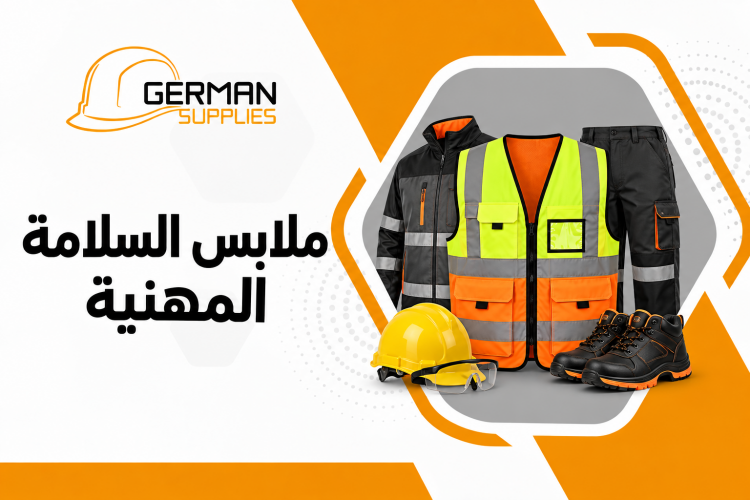
Occupational safety work clothes are an essential line of defense for protecting workers in factories, construction sites, and industrial projects, serving far beyond just a standard company uniform. Selecting the proper protective apparel depends directly on workplace risk levels, fabric selection, and required protection standards.
Whether you are a procurement officer searching for the best safety clothes for enterprise supply contracts, or an engineer evaluating technical compliance standards, this comprehensive guide from German Supply covers critical PPE clothing categories, ISO and EN technical standards, and practical tips for securing high-quality protective gear at optimal costs.
Technical Standards for Selecting Industrial Protective Gear
Choosing industrial safety work clothes requires evaluating specialized manufacturing fabrics and protective technologies to ensure proper worker safety and daily ergonomic comfort. Fabric choices vary depending on environmental workplace risks.
Manufacturing Materials
- Cotton: Provides excellent breathability and sweat absorption, making it ideal for high-temperature environments and long working hours.
- Polyester: Known for durability, tear resistance, and crease resistance while enduring repeated industrial washing cycles.
- Flame-Retardant (FR) Fabrics: Engineered for high-risk industrial environments requiring protection against heat and flames, such as oil, gas, and welding applications, in compliance with ISO 11612 standards.
|
Fabric Composition |
Core Advantage |
Primary Application |
|
100% Cotton |
Superior Comfort & Breathability |
Workshops & High-Temperature Zones |
|
65% Polyester / 35% Cotton |
Balanced Durability & Comfort |
Construction, Maintenance & Logistics |
|
Flame-Retardant (FR) |
Flame & Thermal Protection |
Oil & Gas, Welding & Petrochemicals |
Reflective Tape and High-Visibility Gear
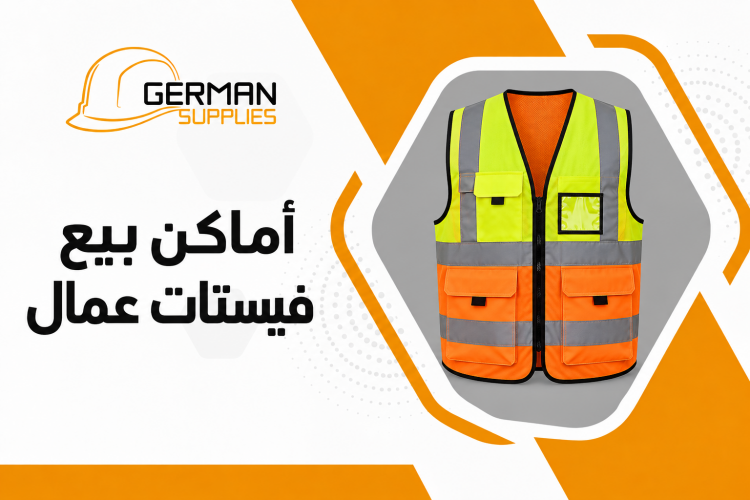
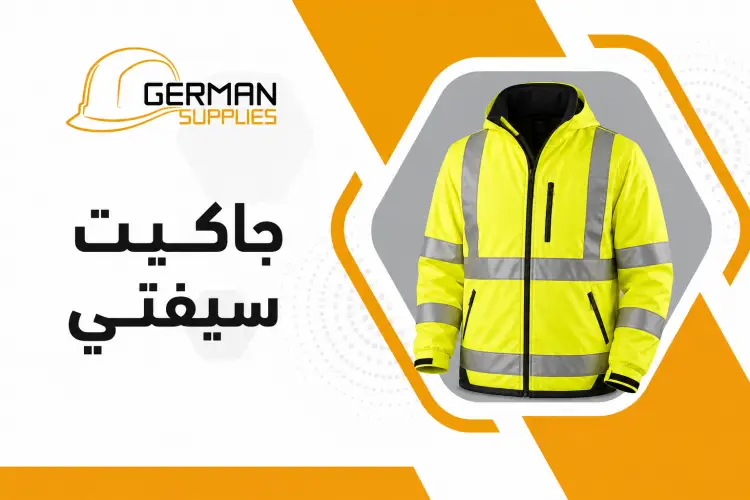
Reflective taping on high-visibility garments enhances worker visibility in low-light environments, construction zones, and roadways. The EN ISO 20471 standard governs high-visibility protective clothing requirements. Protective rating tiers depend on required visibility levels, and reflective bands must withstand repeated wash cycles without losing retroreflective performance.
Types of Industrial Uniforms by Work Environment
Workplace hazards vary significantly across field and industrial sectors. Consequently, no single type of safety work clothes suits all operational environments. Selecting protective uniforms must be tailored to daily tasks, exposure risks, and environmental conditions to balance worker safety with ergonomic freedom of movement.
1. Construction & Contracting Sector
Construction sites expose workers to rough surfaces, concrete, metal components, and heavy machinery operations. Protective uniforms for this sector must combine rugged durability with flexible movement.
- Durability and Tear Resistance: High-strength materials like Ripstop or poly-cotton blends resist abrasions and tears during heavy-duty tasks.
- Cargo Pockets: Spacious utility pockets on pants and jackets allow workers to carry measuring tools and small equipment securely.
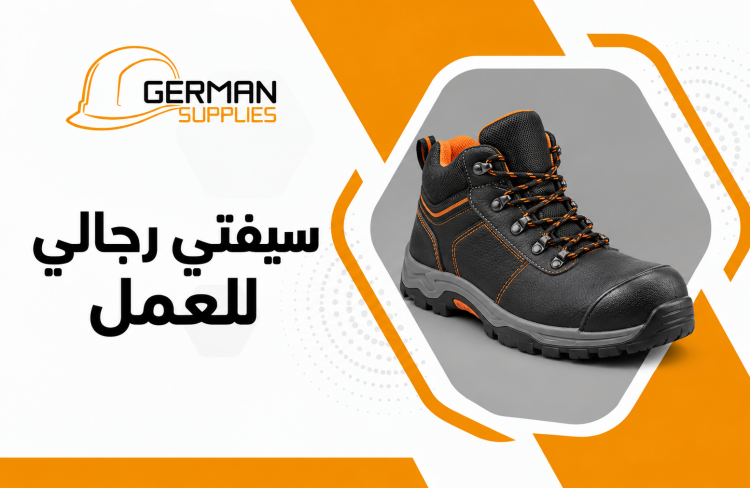
- High-Vis Vests: Reflective vests increase worker visibility around heavy vehicles and during nighttime operations. Equipping personnel with heavy-duty Shield Safety shoes along with protective workwear completes essential job site PPE requirements.
2. Factories & Industrial Workshops
Factory and workshop environments present distinct hazards, including machinery oils, greases, and moving mechanical parts.
- Oil and Stain-Resistant Fabrics: Specially treated fabrics reduce liquid absorption, keeping uniforms cleaner and simplifying industrial washing.
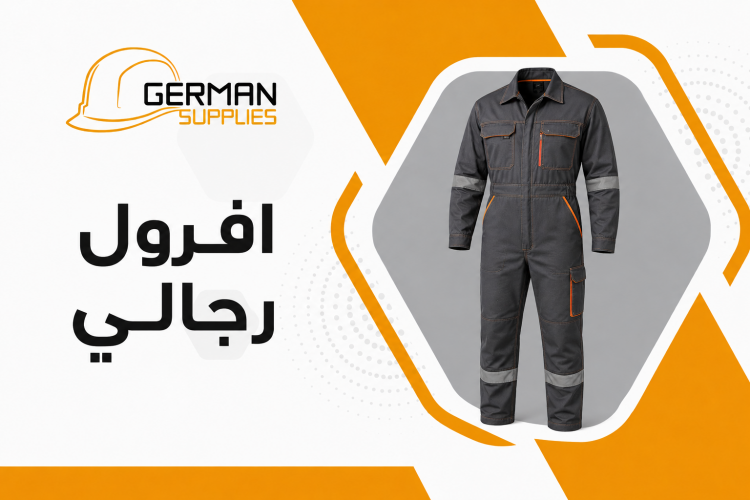
- Workplace Coveralls: Full-body coveralls provide comprehensive body coverage while minimizing loose fabric ends that could catch in moving machinery.
- Ergonomic Fit: Tailored cuts and elasticized waist bands provide flexibility during bending, lifting, and overhead movements.
3. Oil, Gas & Electrical Safety Sectors
Energy and utility sectors demand specialized safety work clothes designed for high-risk environments exposed to thermal flashes, sparks, and electrical arc hazards.
- Flame Retardant (FR) Protection: FR clothing protects against sudden flame exposure and intense heat, certified under standards like ISO 11612.
- Arc Flash Protection: Specially tested garments manufactured to EN 61482 standards protect electrical workers against intense heat generated by electric arc incidents.
- Anti-Static Properties: Integrated conductive fibers dissipate electrostatic charges, preventing sparks in explosive or combustible atmospheres.
Whether sourcing specialized women safety work clothes tailored for proper ergonomic fit or heavy-duty safety work clothes men rely on in rough environments, selecting gear engineered for gender-specific fits enhances overall site safety and comfort.
Sourcing Guide: Supplying Protective Uniforms in Egypt
When sourcing commercial safety clothes and PPE equipment, procurement teams choose between retail outlets and specialized industrial suppliers. Choosing the right vendor ensures product consistency and compliance with site safety requirements.
- Standard Retail Outlets: Suitable for small, one-off individual purchases, but generally lack the stock consistency, uniform specifications, and bulk pricing required by corporate enterprises.
- Specialized Industrial Suppliers (German Supply): The preferred option for commercial enterprises, offering end-to-end industrial supply solutions:
- Bulk Supply Capacity: Ability to fulfill large volume orders for factories, construction sites, and mega-projects.
- Certified Material Quality: Delivering verified safety work clothes tailored to specific workplace hazards.
- Custom Branding & Corporate Identity: Professional logo placement via precision embroidery or screen printing.
- Official Enterprise Documentation: Providing tax invoices and compliance documentation for corporate auditing.
Procurement Checklist: Tips for Buying Worker Uniforms
Before finalizing a supply contract for industrial uniforms, procurement officers should follow these practical steps to verify product quality and vendor reliability:
- Request Field Test Samples: Evaluate fabric performance through trial wash cycles and real-world site use to check for colorfastness, shrinkage, and seam strength.
- Standardize Size Charts: Ensure your supplier provides accurate, comprehensive size charts—covering specialized ranges for women safety work clothes as well as standard fits for safety work clothes men—to avoid sizing errors on bulk orders.
- Review Supplier Track Record: Inspect vendor experience, client portfolios, and past industrial projects to verify delivery timeliness and quality consistency.
Procuring the best safety work clothes goes beyond a routine purchase—it is a long-term investment in workforce protection and corporate identity. While low-cost alternatives may seem attractive initially, inferior fabrics often result in higher replacement costs due to premature wear and tear.
Partnering with a specialized supplier like German Supply ensures access to certified materials, full corporate tax invoicing, and dependable bulk delivery. Requesting sample sets before issuing bulk purchase orders guarantees the perfect balance of safety, durability, and professional appearance.
Frequently Asked Questions (FAQ)
What is the best fabric for industrial work coveralls?
Tetrex/Dacron blends (65% polyester / 35% cotton) are the most popular choices for industrial coveralls, offering crease resistance, durability, and comfort. For high-heat environments like welding, 100% flame-retardant treated cotton is recommended.
Can company logos be printed or embroidered on protective uniforms?
Yes. Logos can be added using screen printing or direct embroidery. Direct embroidery is recommended for heavy coveralls and jackets exposed to frequent washing, while screen printing works well for lightweight high-vis vests.
What is the difference between 100% cotton and poly-cotton blended workwear?
100% cotton offers superior breathability and thermal protection against sparks, making it ideal for hot environments and welding applications. Poly-cotton blends provide greater tear strength, lower shrinkage rates, higher crease resistance, and longer service life for general construction and logistics work.
Are safety shoes required alongside protective apparel?
Yes. Complete industrial PPE compliance requires pairing certified protective garments with durable footwear, such as Shield Safety shoes, to ensure full protection against impact, puncture hazards, and electrical risks across job sites.
Recent Posts